
According to the United States Government Manual, "the Cabinet, a creation of custom and tradition dating back to George Washington's administration, functions at the pleasure of the President. Its purpose is to advise the President upon any subject, relating to the duties of the respective offices, on which he requests information (pursuant to Article II, section 2, of the Constitution)."
Members of the Cabinet include the vice president and the president-appointed heads of each executive department. It is typical for members of the Cabinet to resign when a new president takes office. However, when President Johnson assumed office in 1963 after President Kennedy's assassination, he asked the existing Cabinet to stay in order to ensure a smooth transition.
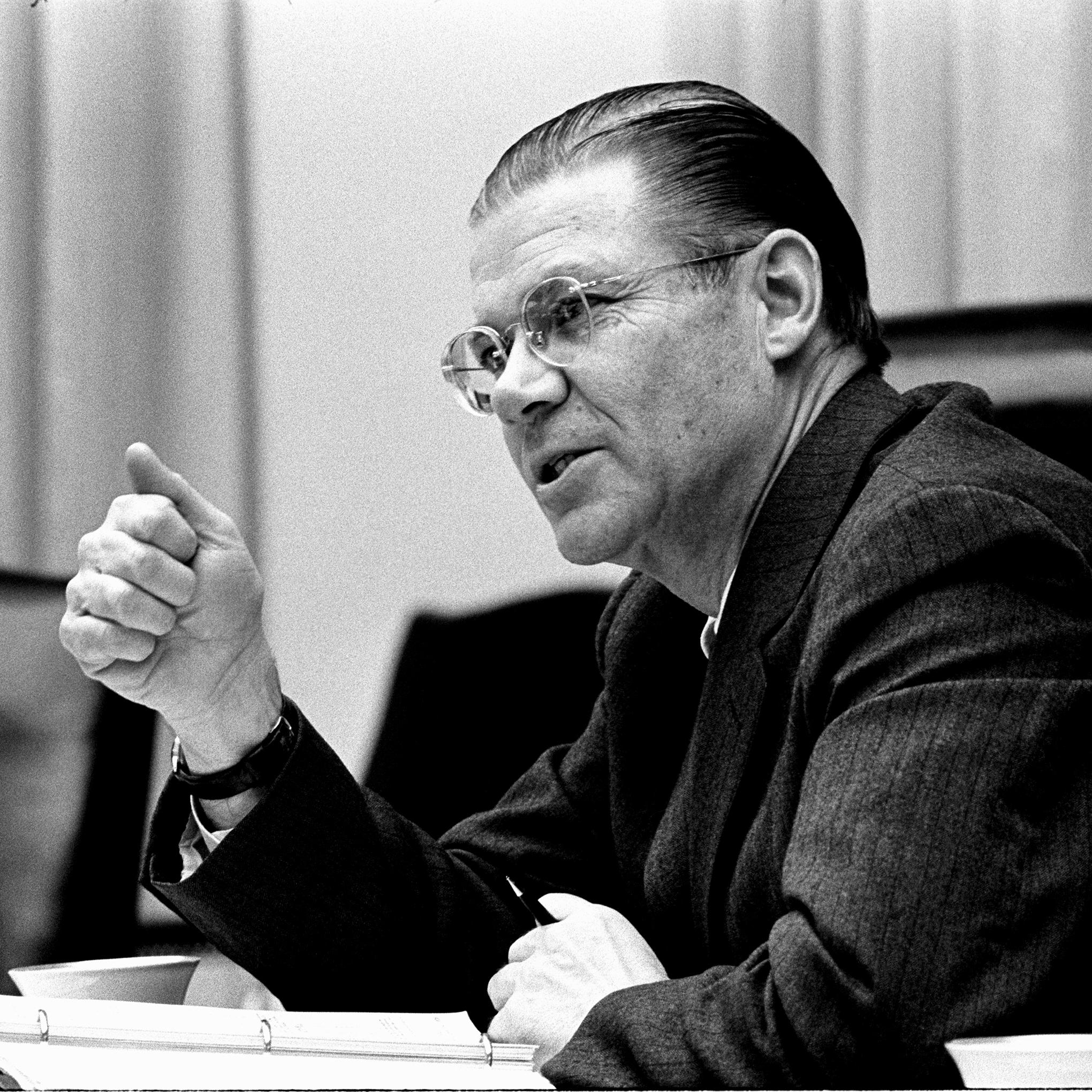
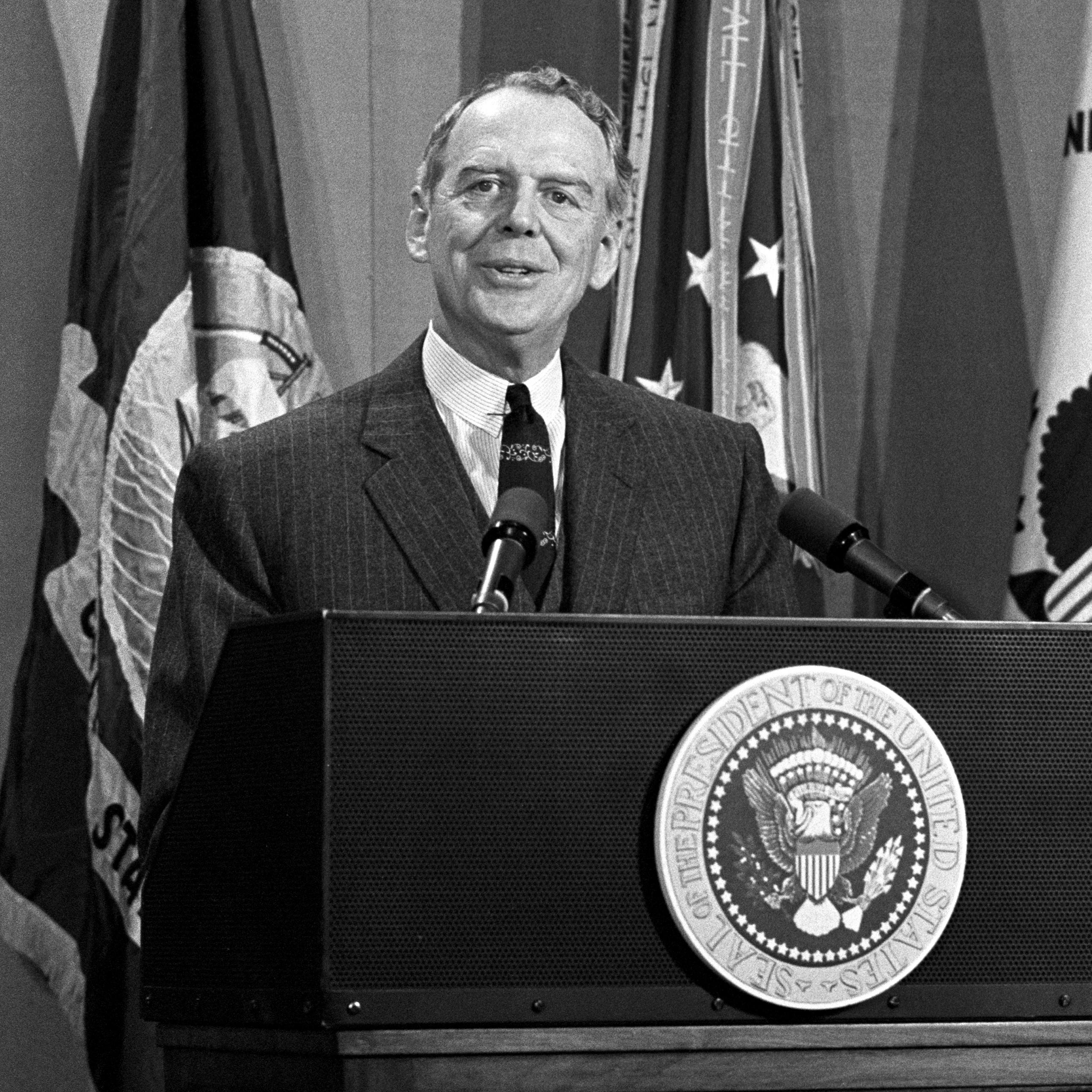
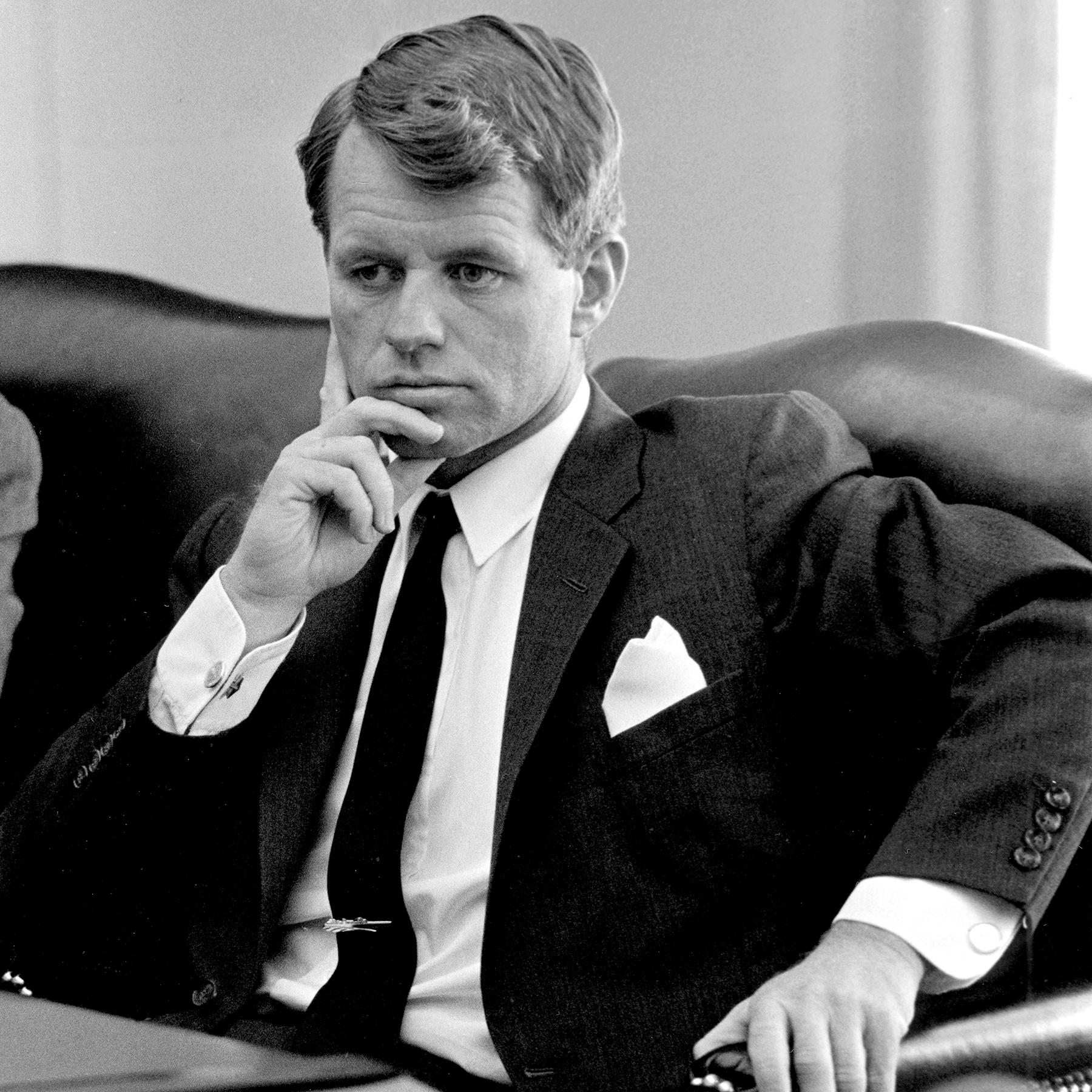
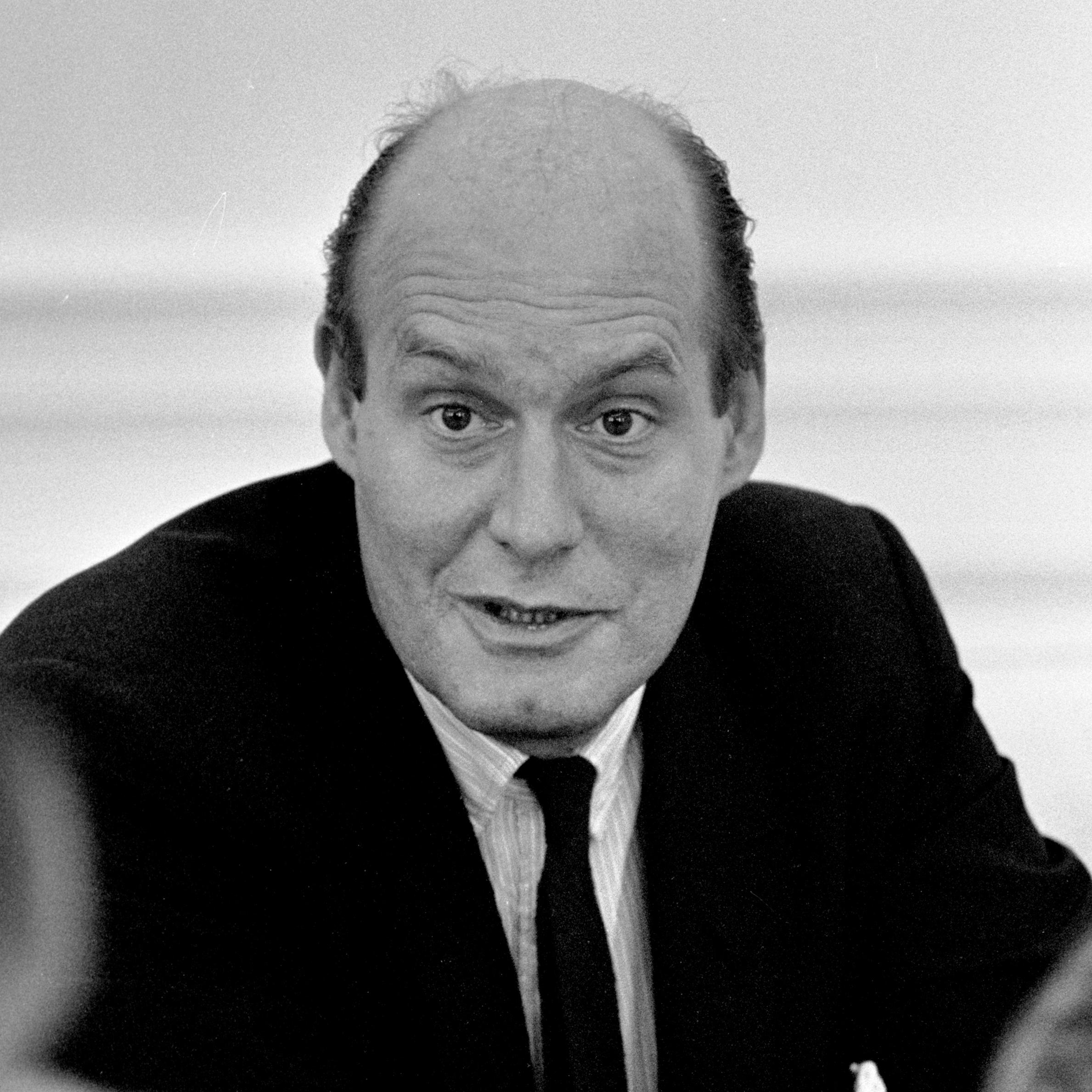
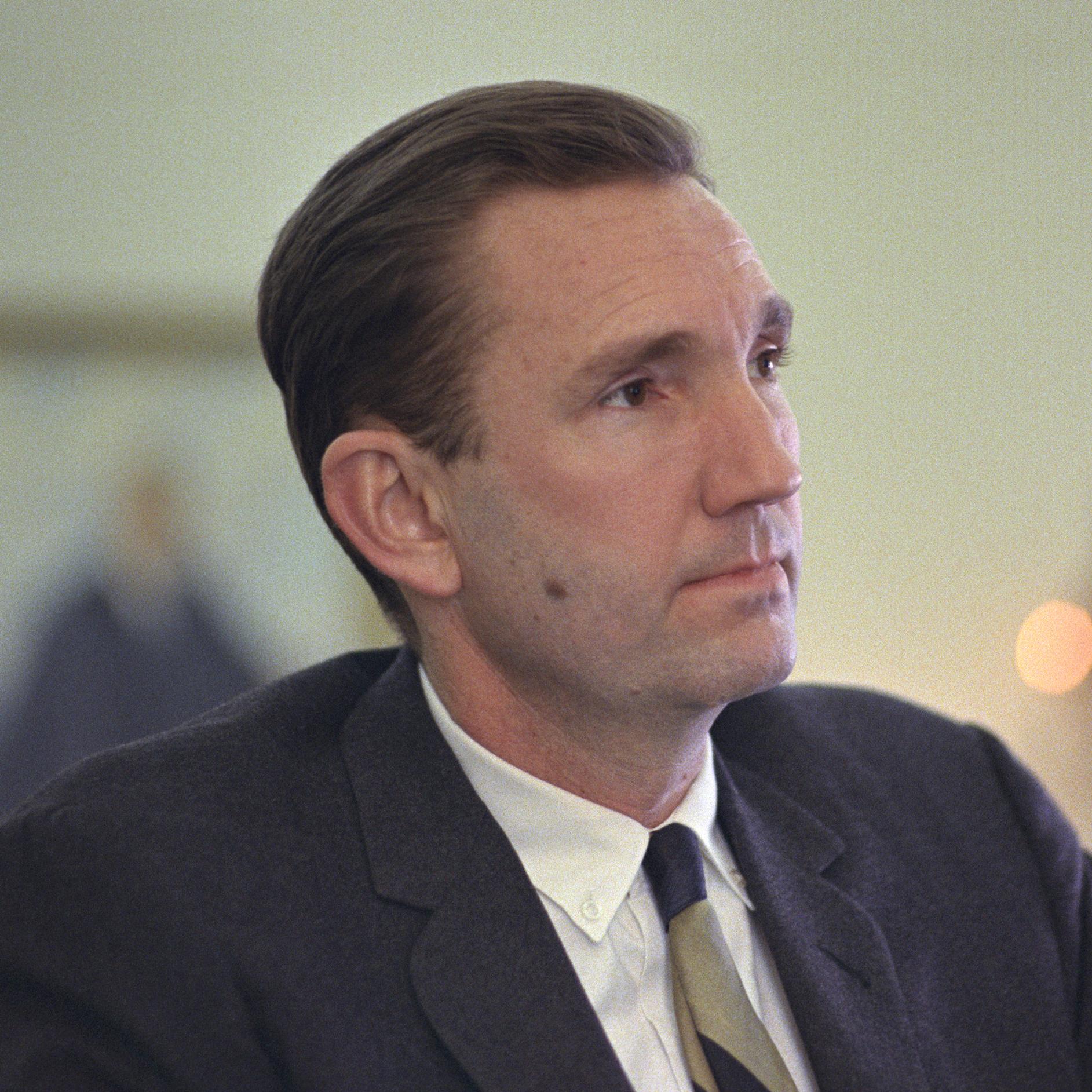
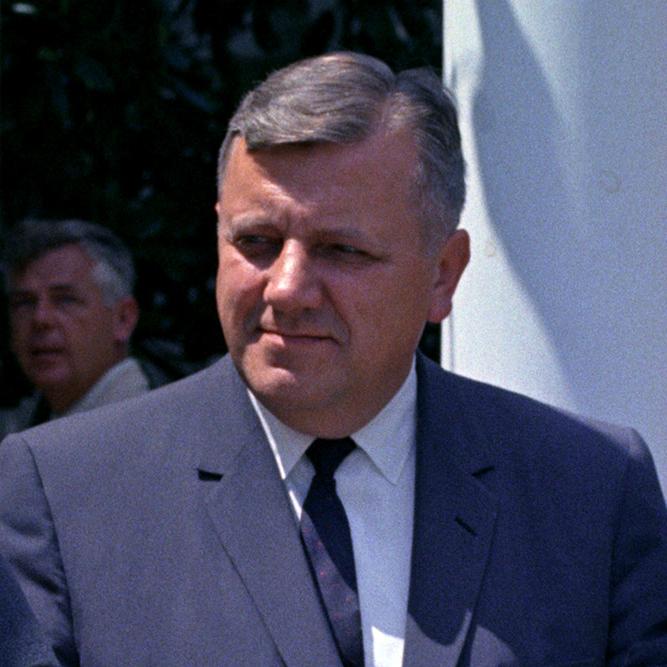
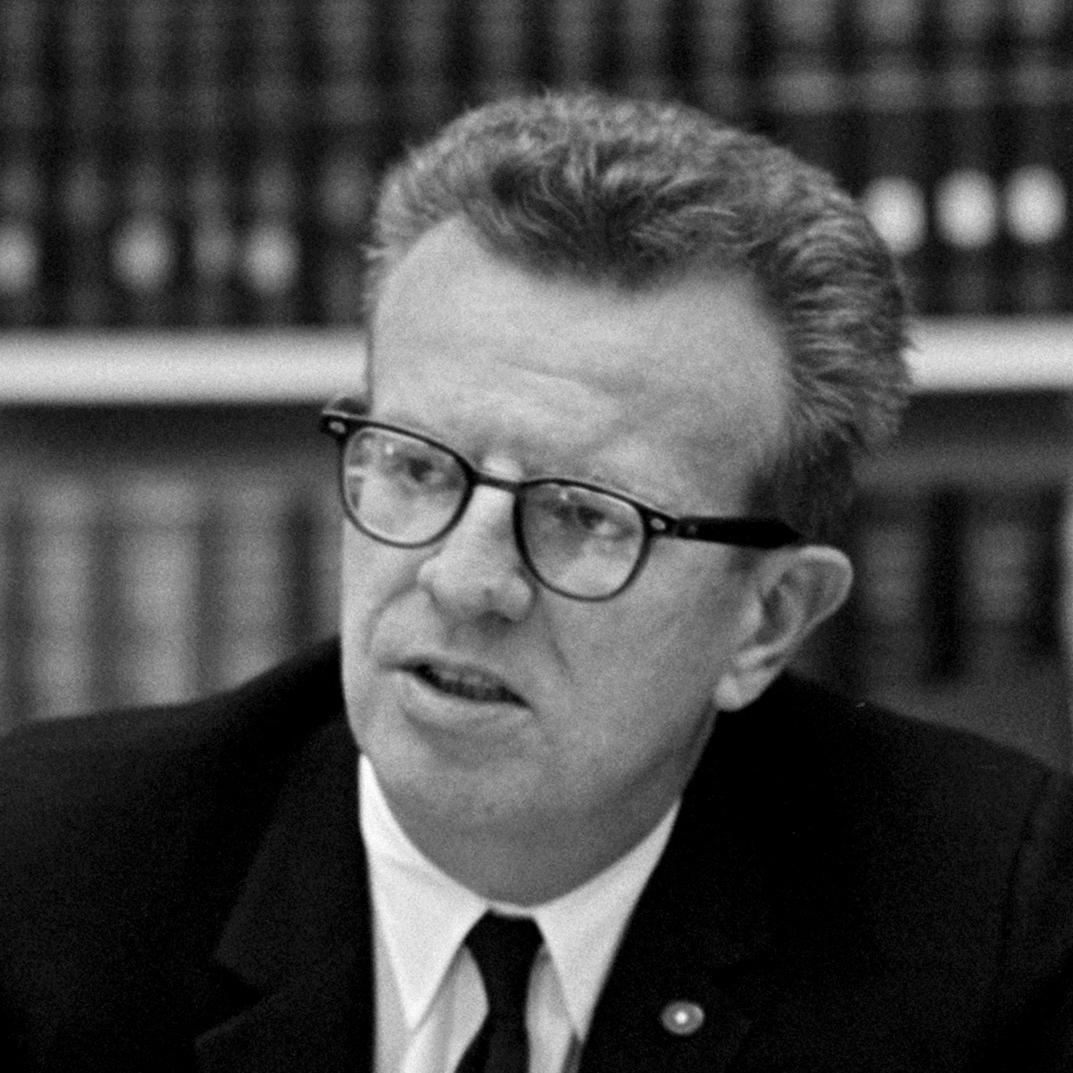
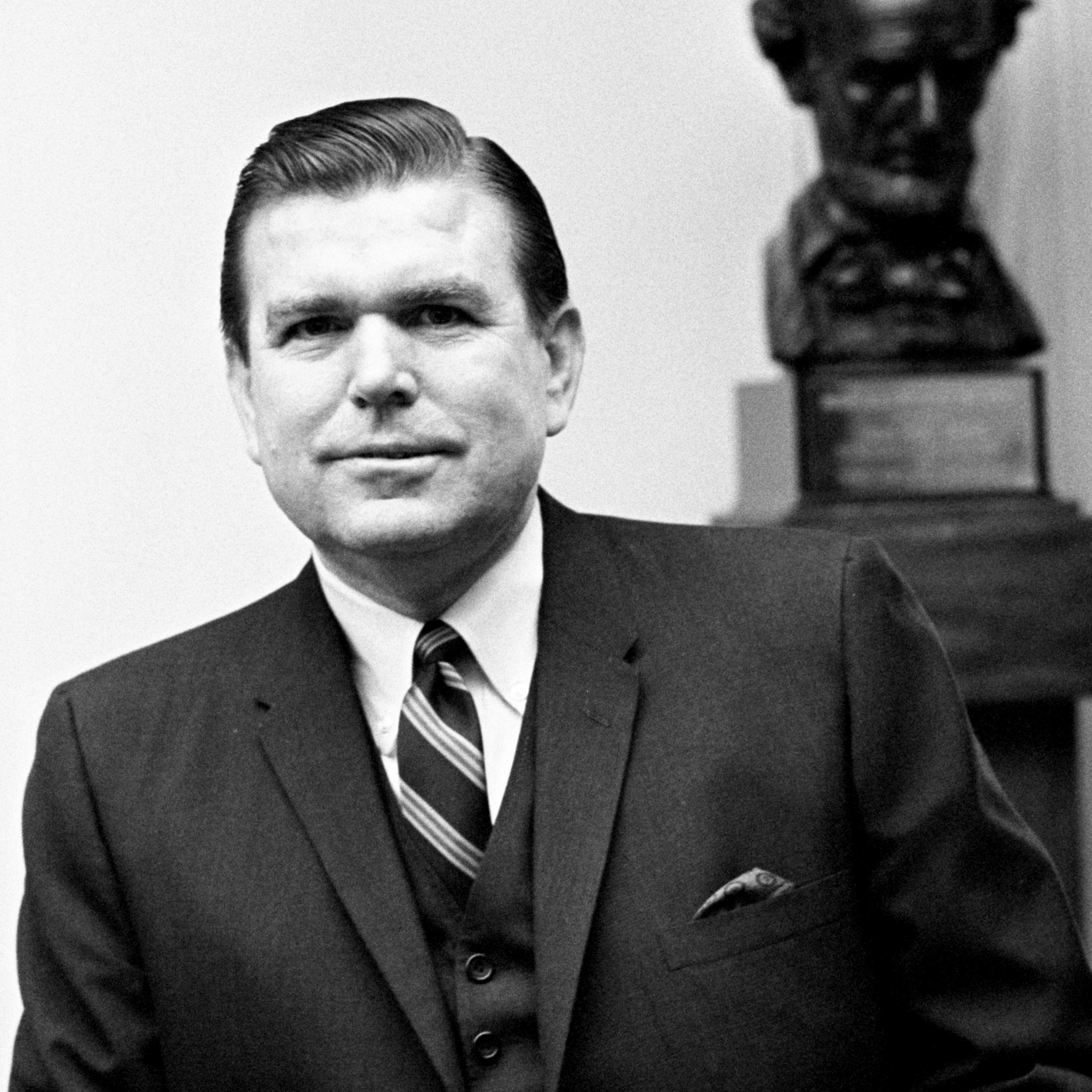
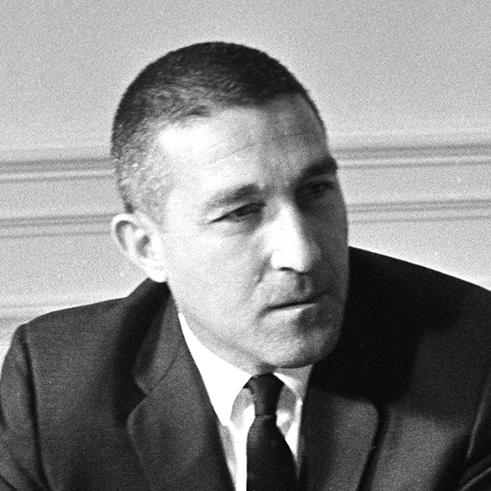
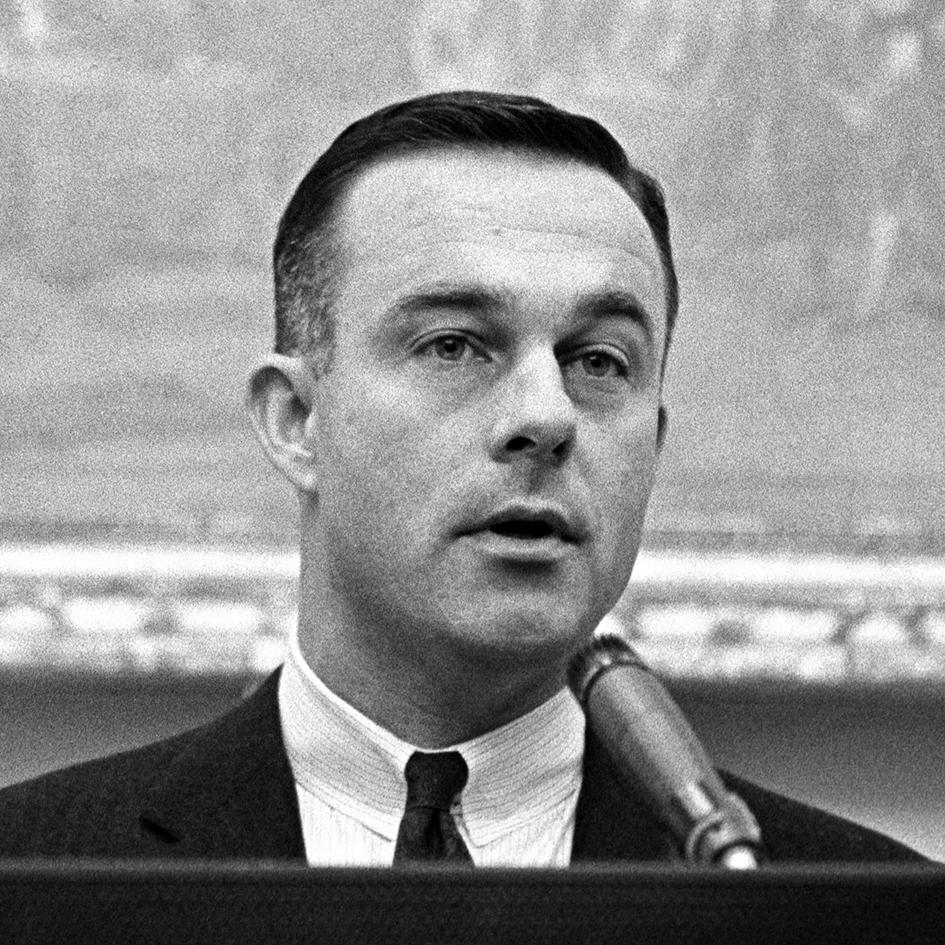
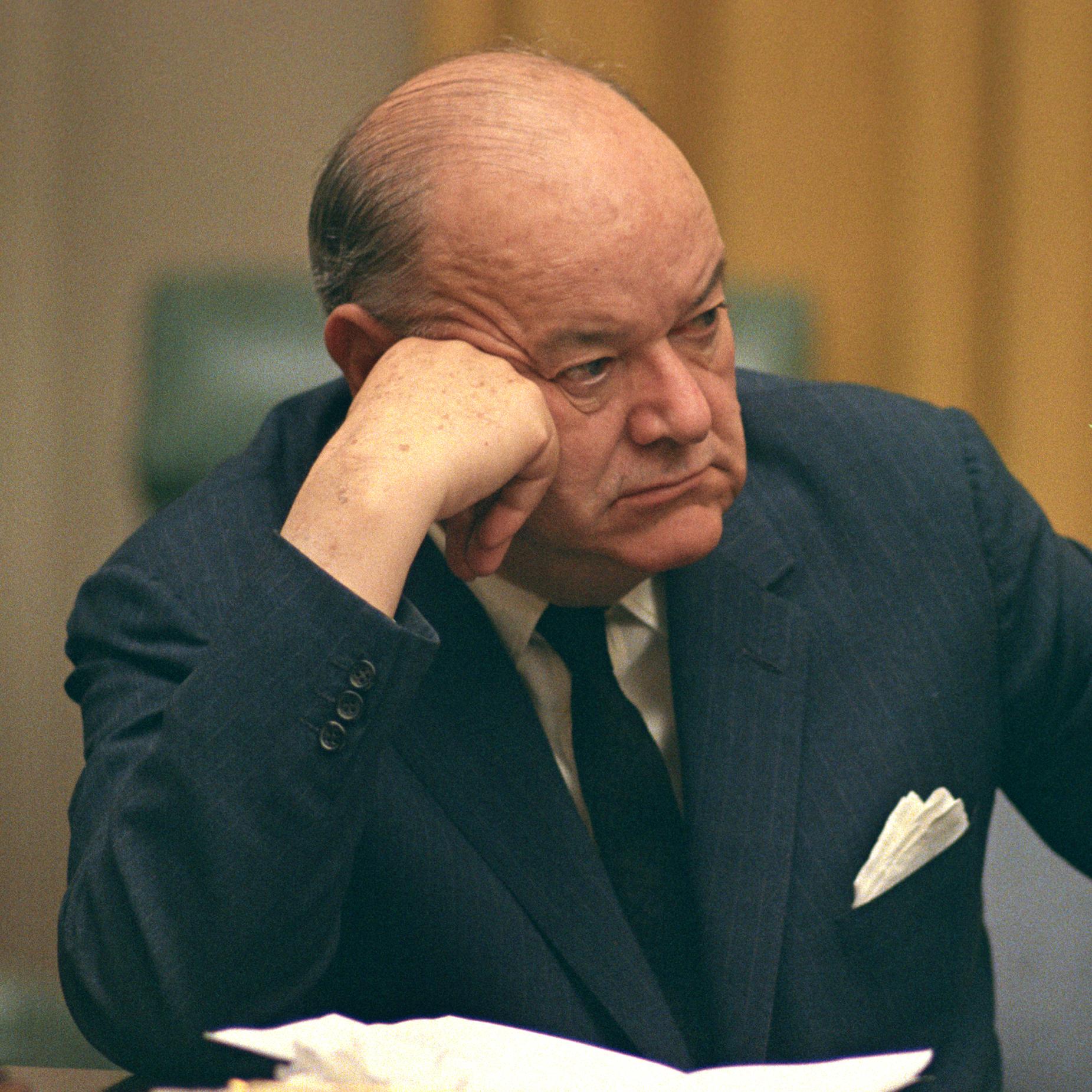
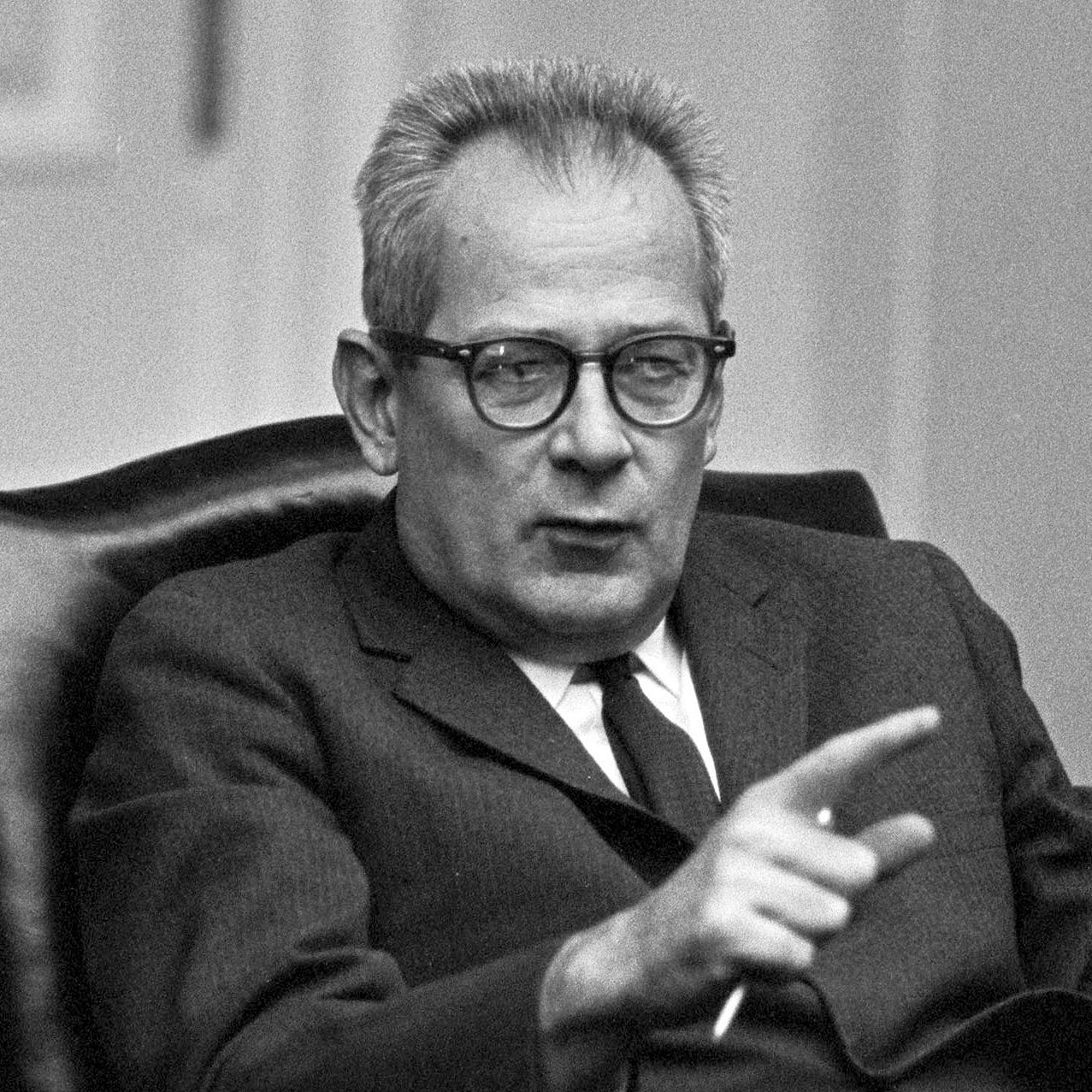
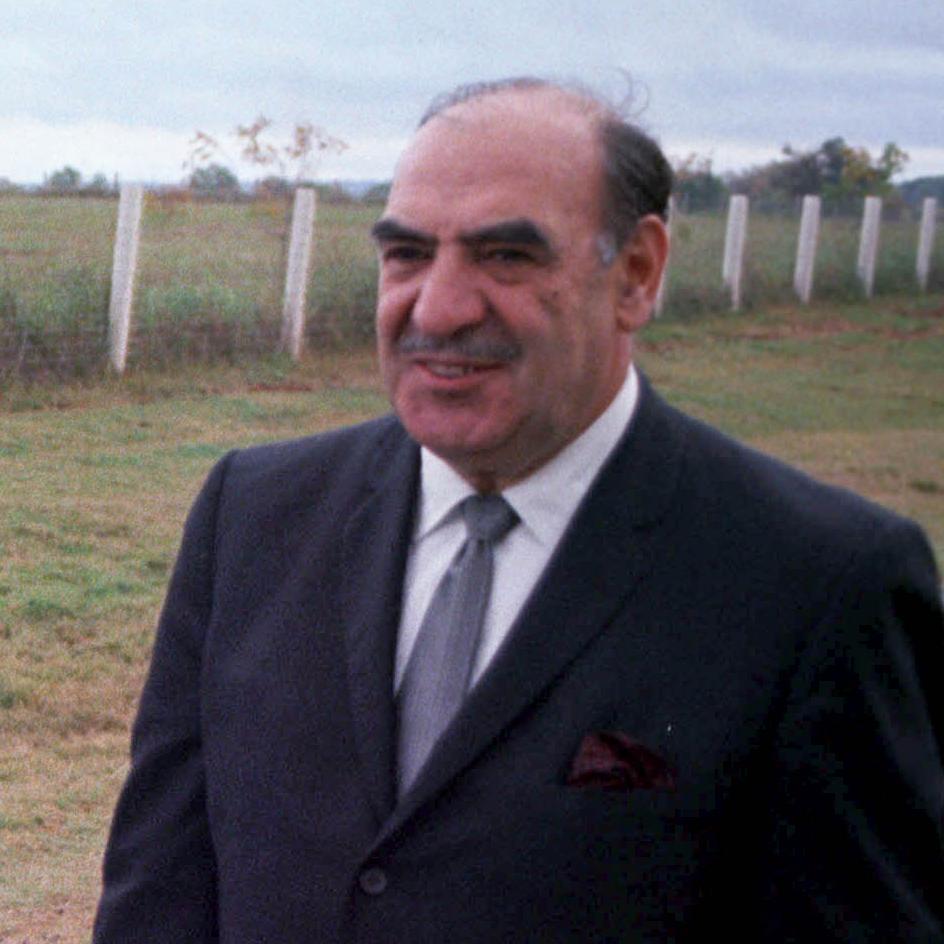
Anthony J. Celebrezze
Secretary of Health, Education, and Welfare
(D-OH)
July 31, 1962-Aug. 19, 1965
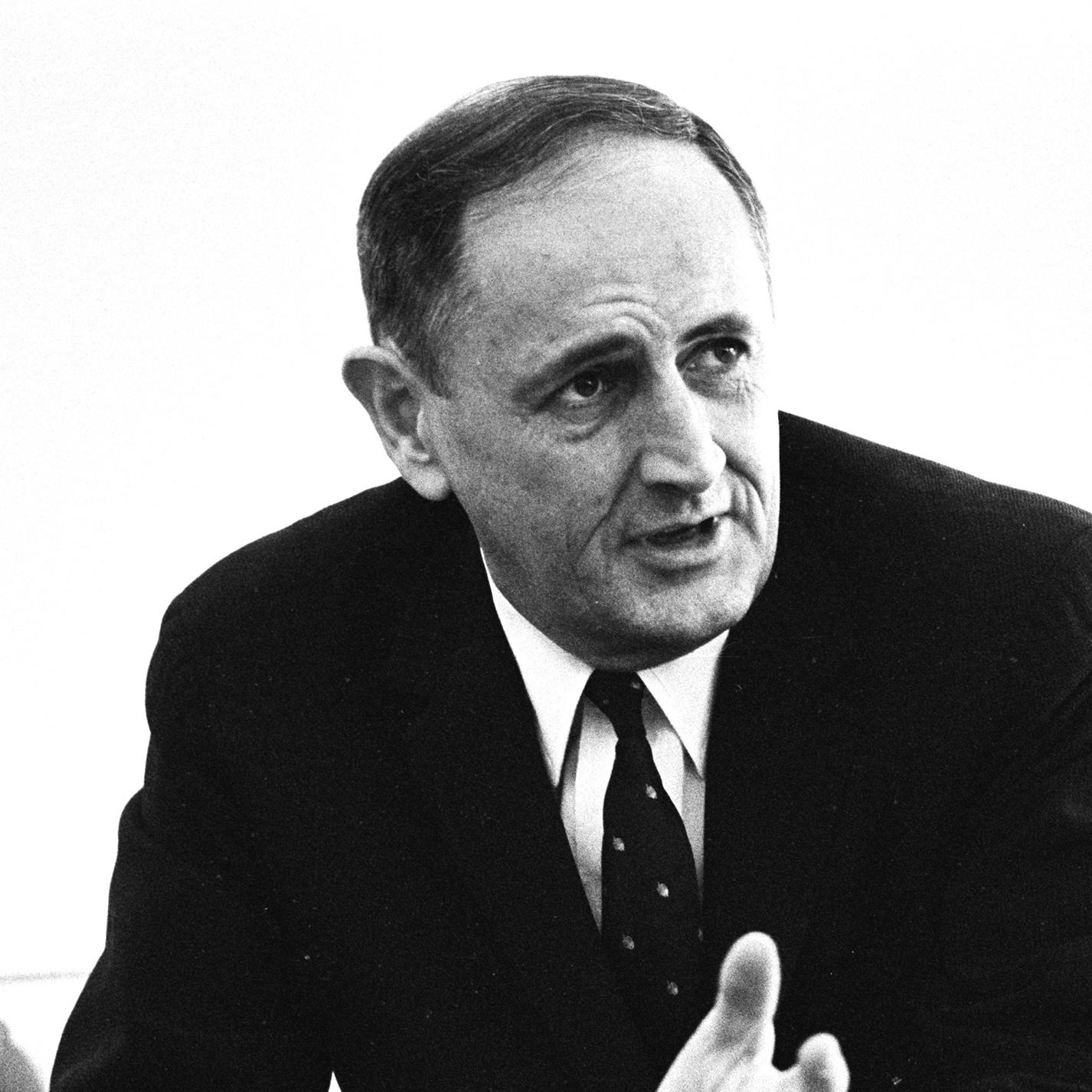
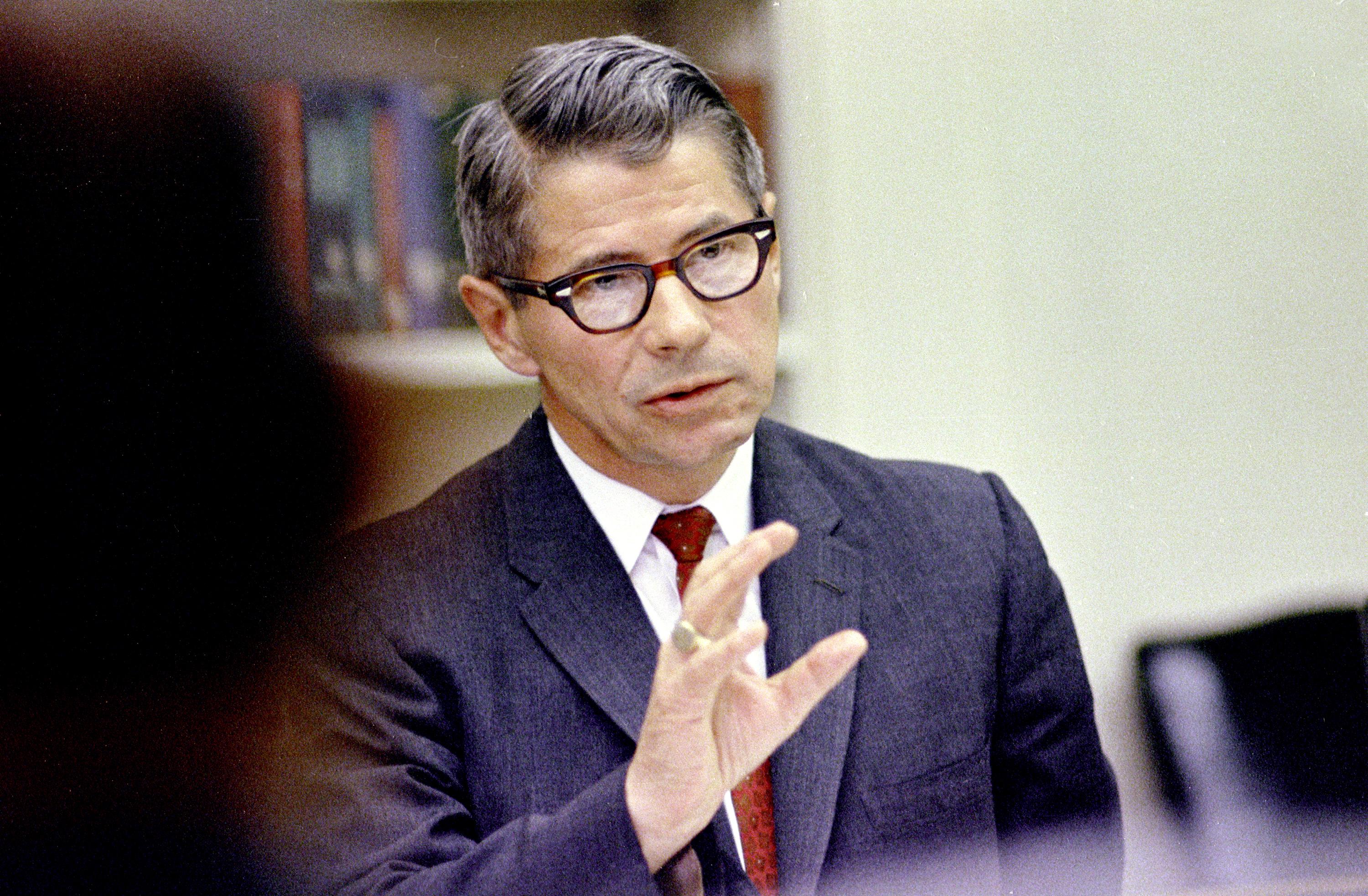
John W. Gardner
Secretary of Health, Education, and Welfare
(R-NY)
Aug. 19, 1965-March 1, 1968
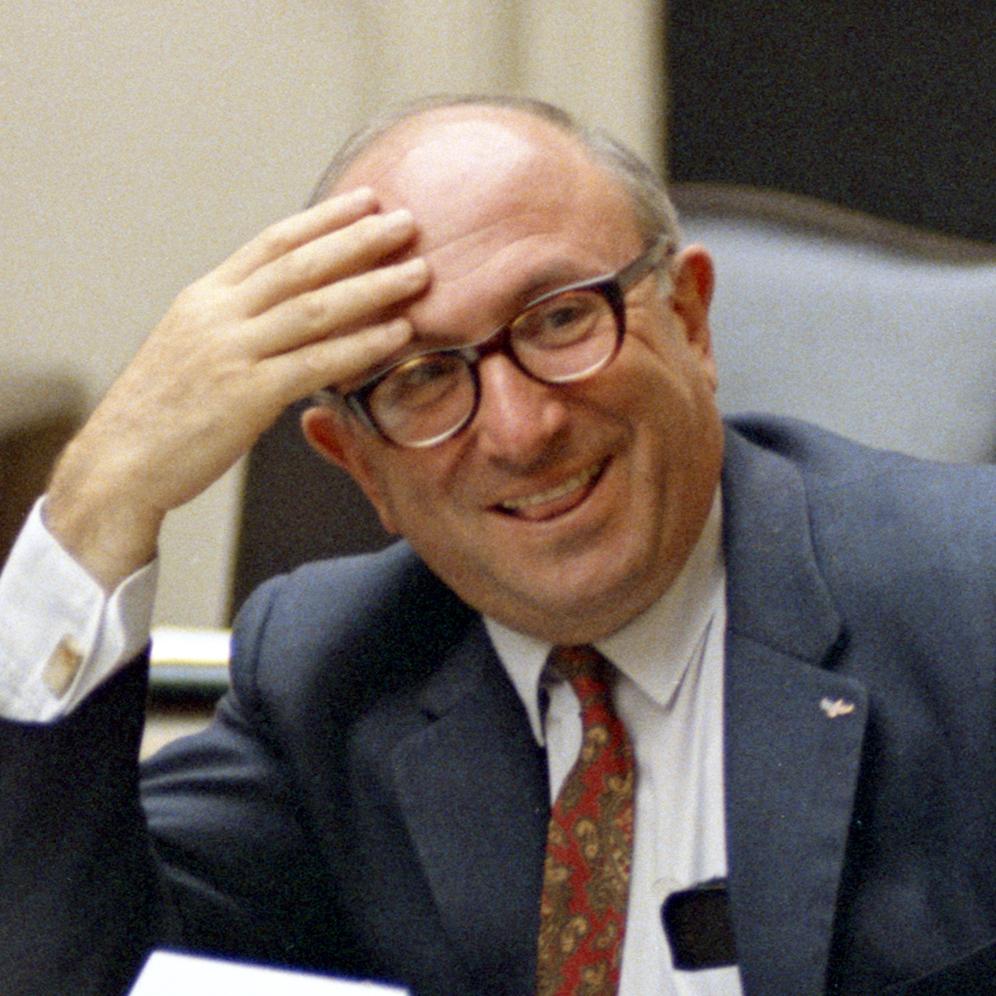
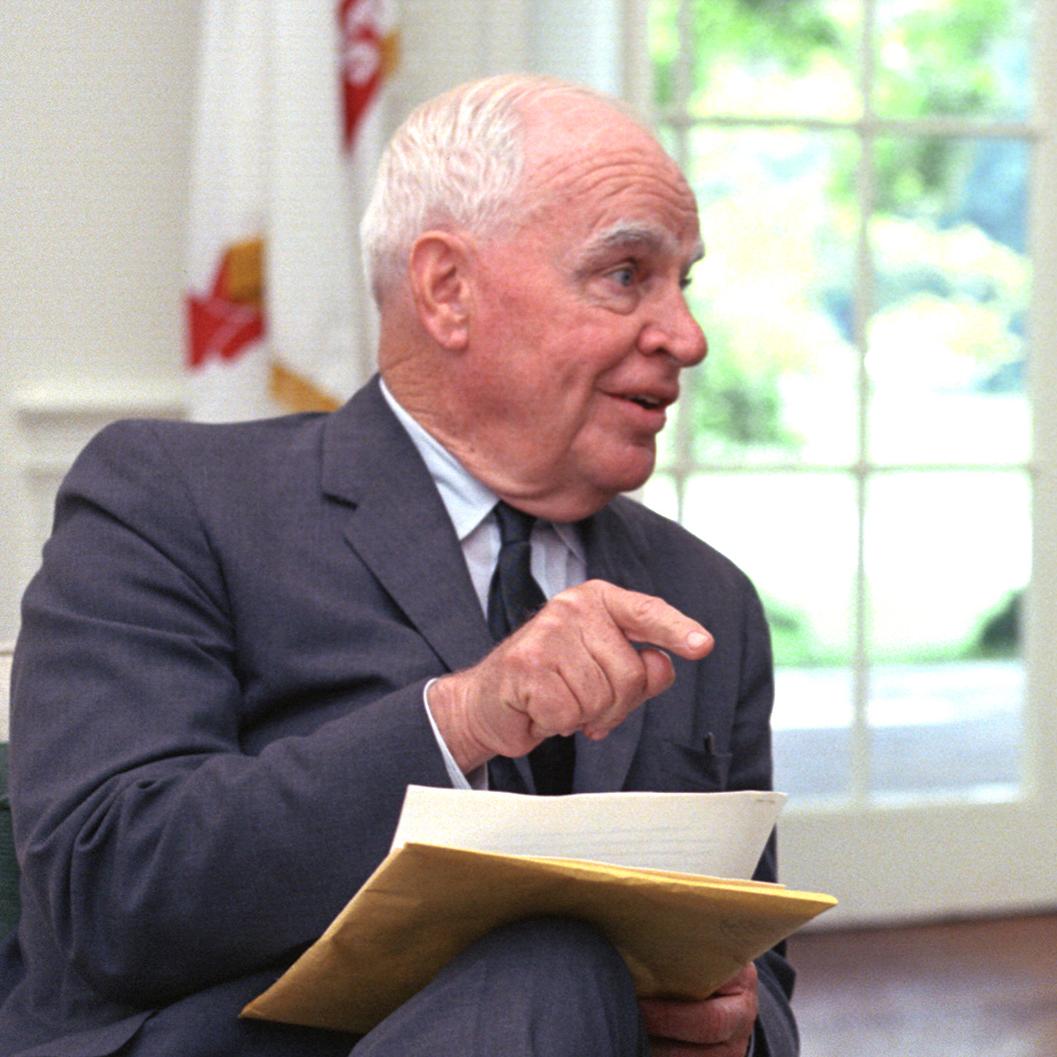
Wilbur J. Cohen
Secretary of Health, Education, and Welfare
(D-MD)
March 1, 1968-Jan. 20, 1969
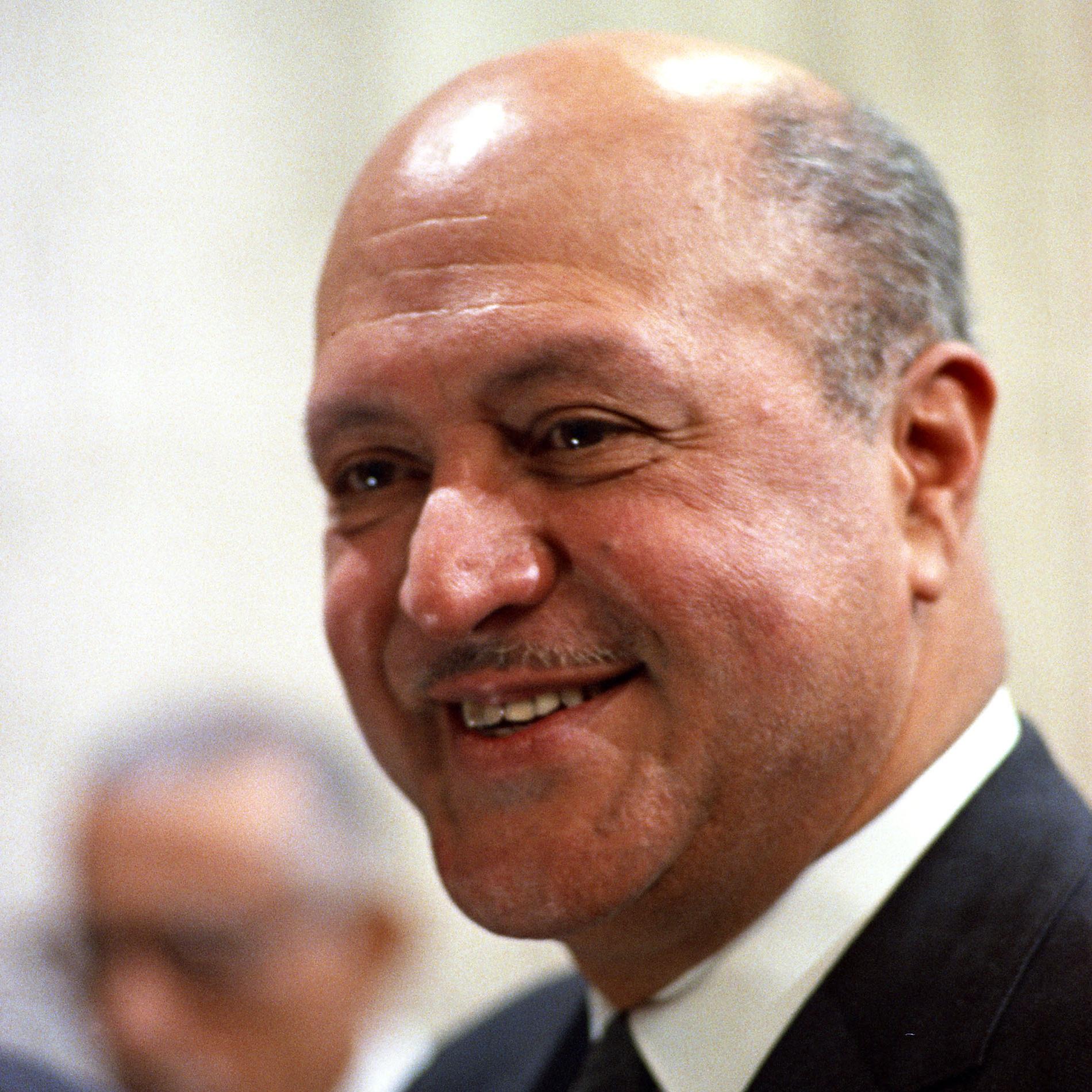
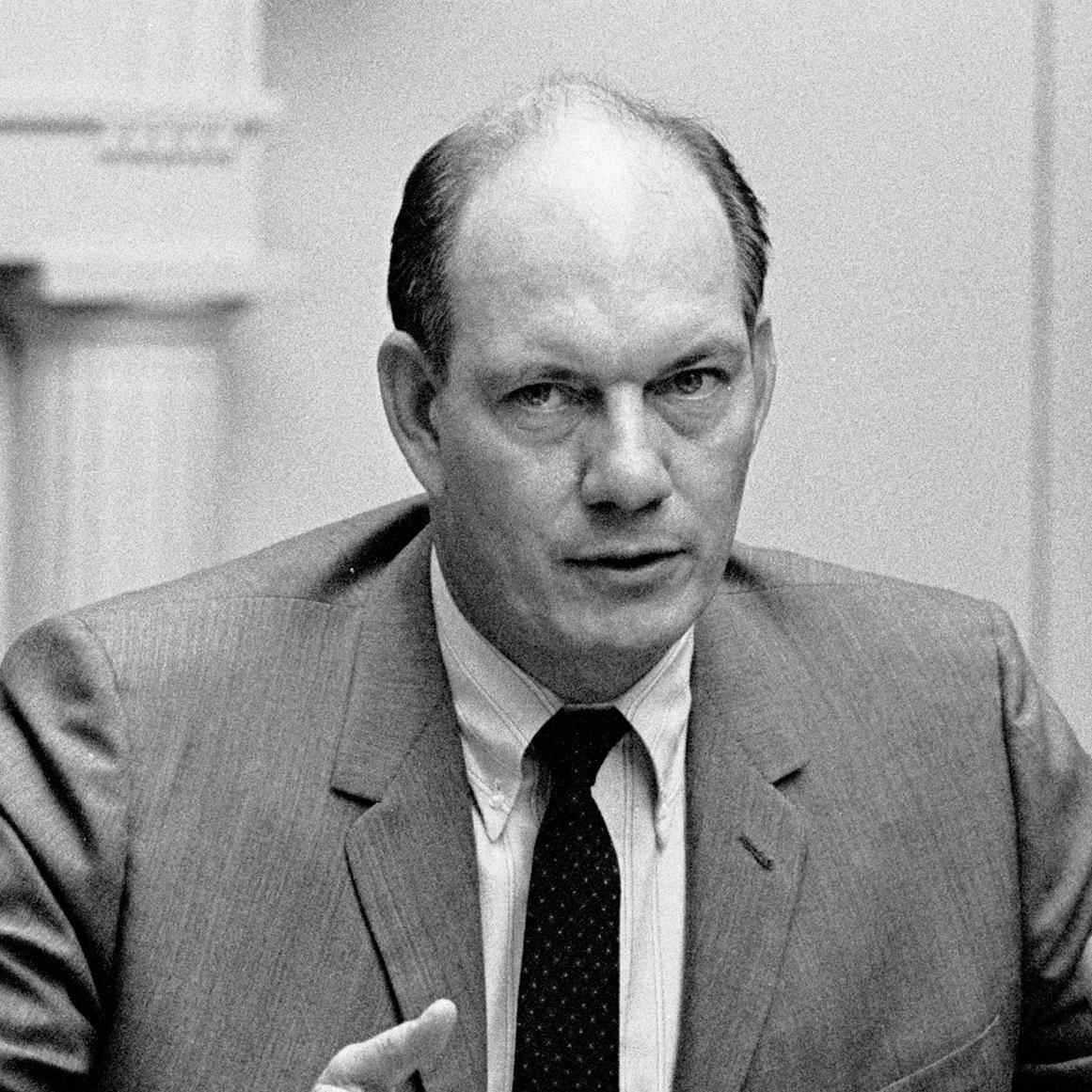
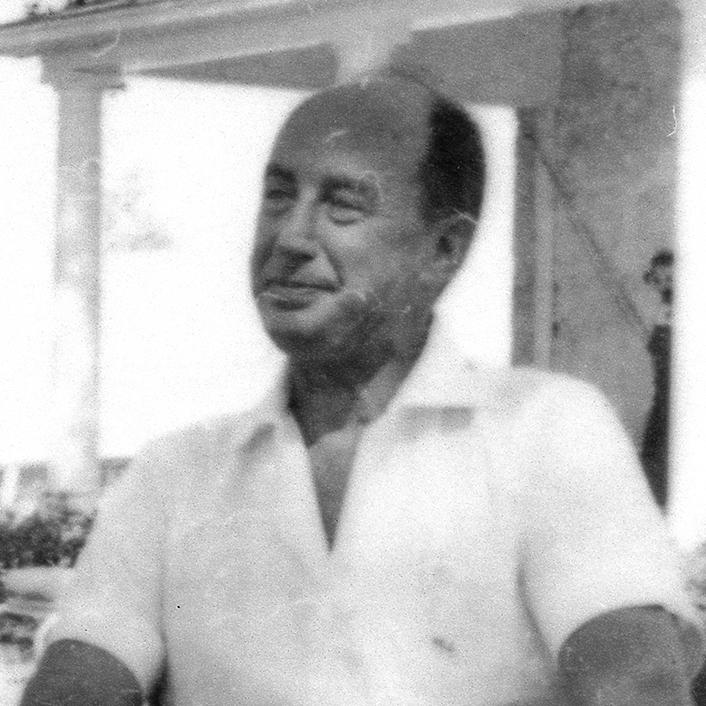
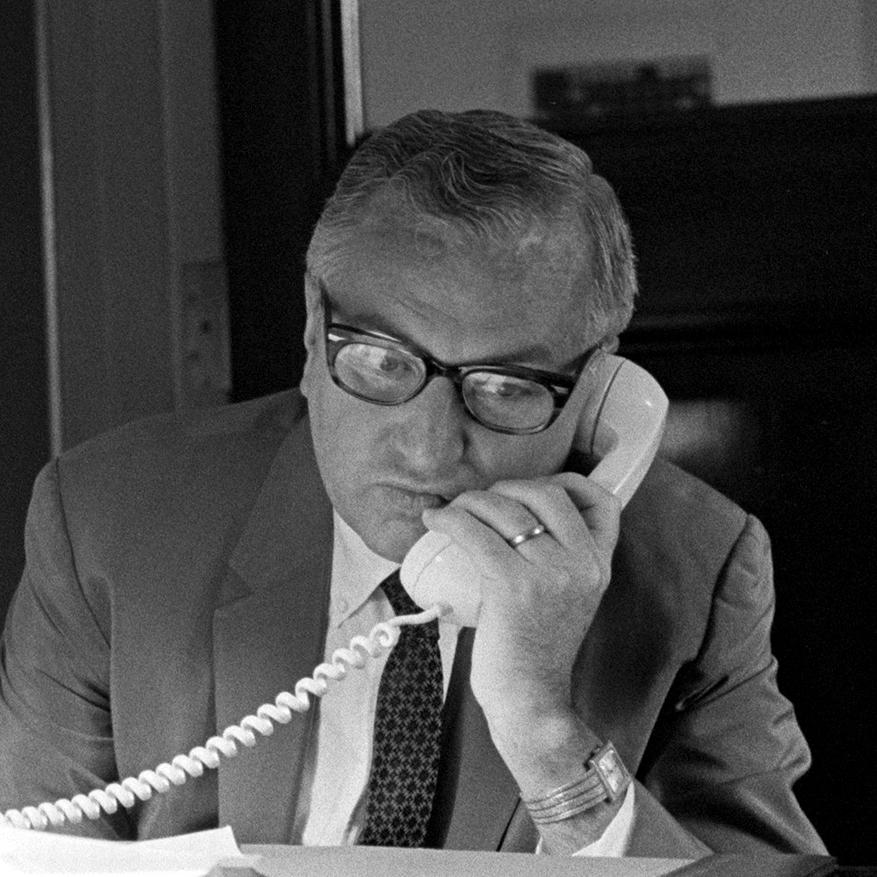
Adlai E. Stevenson II
U.S. Representative to the United Nations
(D-IL)
Jan. 20, 1961-July 14, 1965
Died in office
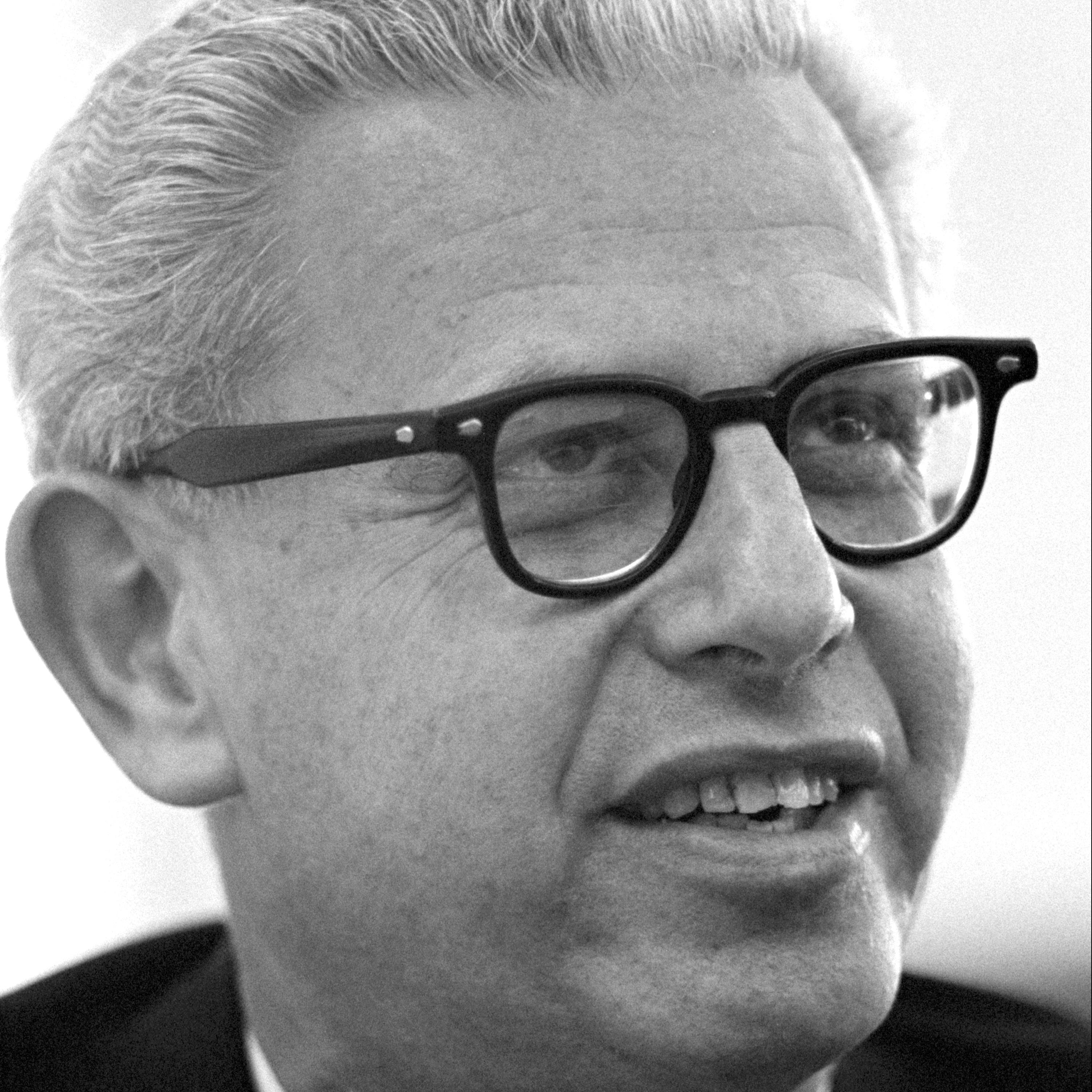
Arthur J. Goldberg
U.S. Representative to the United Nations
(D-IL)
July 20, 1965-June 21, 1968
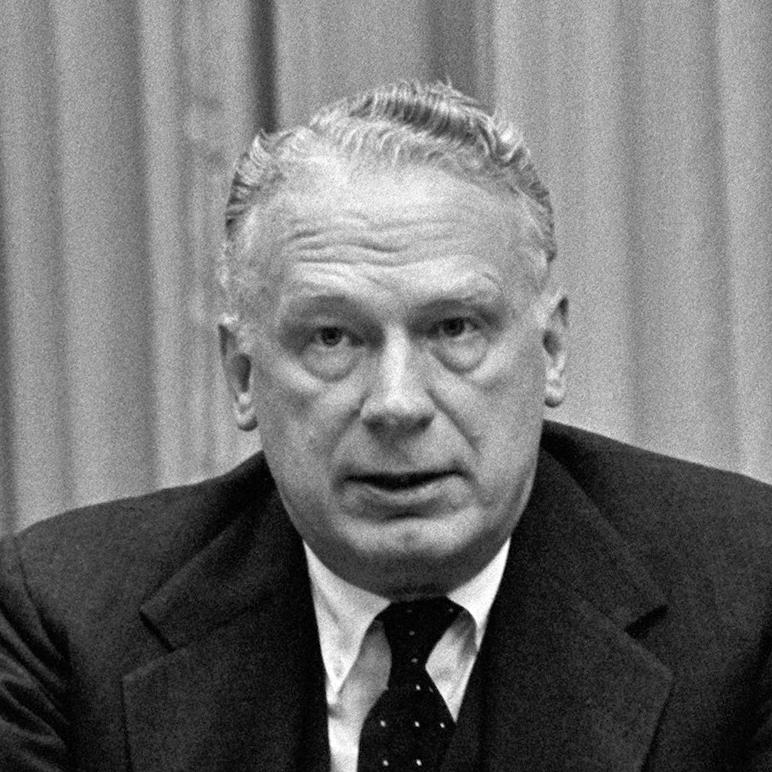
George W. Ball
U.S. Representative to the United Nations
(D-IL)
June 24, 1968-Sept. 25, 1968
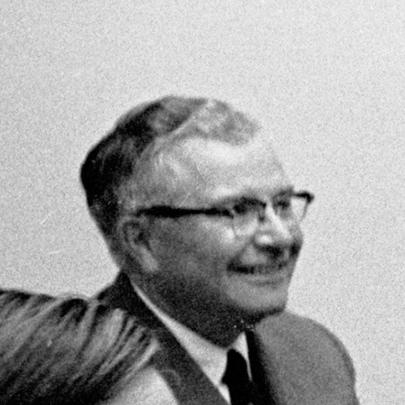
James Russell Wiggins
U.S. Representative to the United Nations
(D-Wash., D.C.)
Oct. 4, 1968-Jan. 20, 1969